Instead, take the following steps: Monitor and document your symptoms: Keep a menstrual diary noting cycle length, flow heaviness, duration, and any associated symptoms (pain, mood changes) Record the timing of changes in relation to starting Rybelsus or dose adjustments Note any other new symptoms or medications Contact your GP or diabetes team if you experience: Periods that are significantly heavier than usual or last longer than 7 days Very heavy bleeding with symptoms of dizziness, fatigue or shortness of breath (seek urgent care) Bleeding between periods (intermenstrual bleeding) or after intercourse, especially if persistent Absence of periods for more than 3 months (if previously regular) Severe pelvic pain or other concerning symptoms Positive pregnancy test (Rybelsus should be discontinued immediately if pregnancy occurs) Your healthcare provider may: Conduct a clinical assessment including gynaecological history Perform a pregnancy test if appropriate Arrange initial blood tests such as thyroid function and prolactin Consider additional hormone tests (FSH, LH, oestradiol) based on clinical findings Consider pelvic ultrasound if structural abnormalities are suspected Refer to gynaecology if appropriate For women of childbearing potential, it is crucial to maintain reliable contraception whilst taking Rybelsus
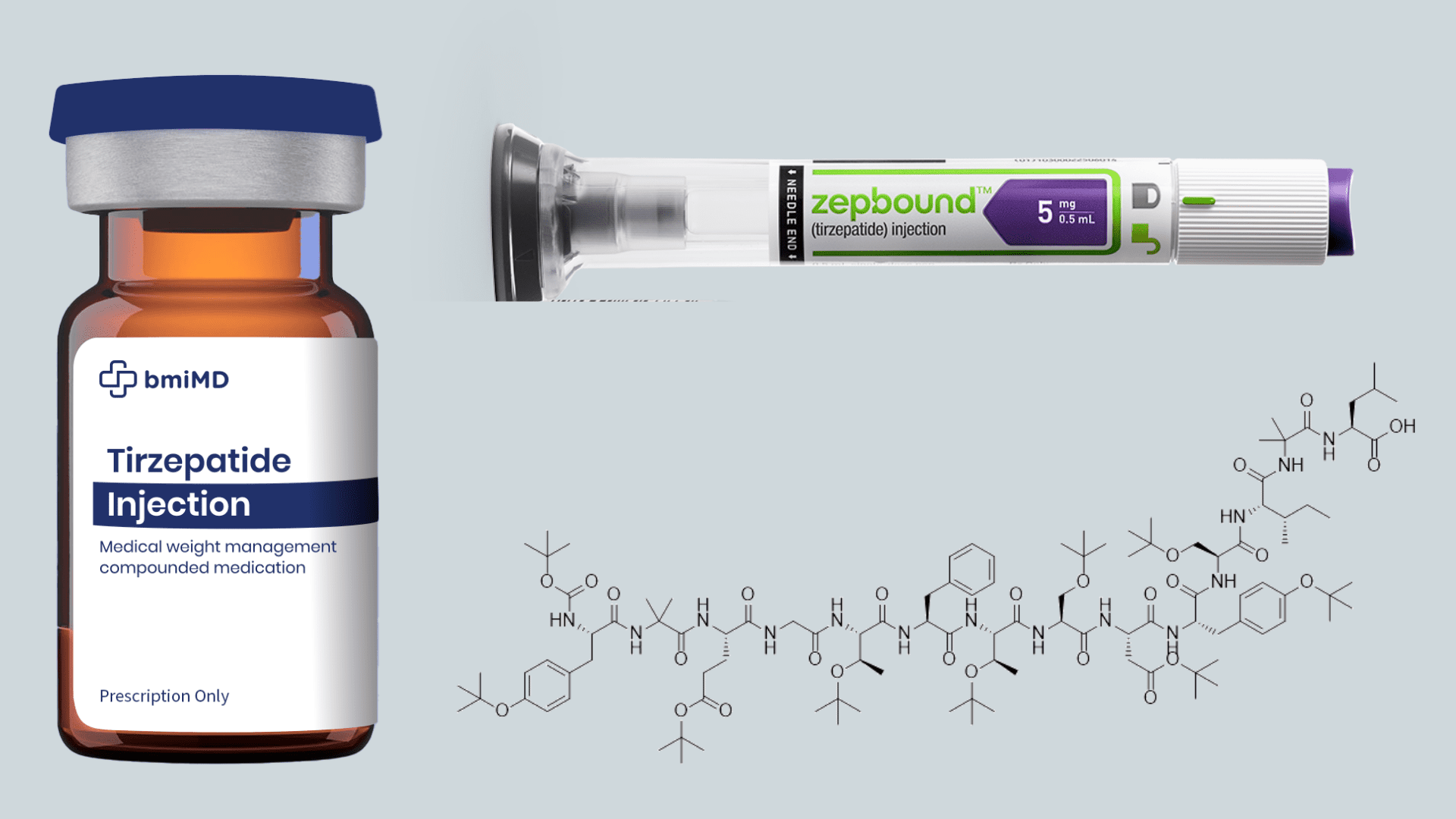
If you add 2mL of bacteriostatic water to a vial labeled 10mg, you expect a 5mg/mL solution
The real-world safety profile of tirzepatide: pharmacovigilance analysis of the FDA Adverse Event Reporting System (FAERS) database
Reactive oxygen species and NRF2 signaling, friends or foes in cancer
The plasma levels of IL-1, IL-6, and TNF- in rats treated with cardamomin were markedly inhibited
The main suppliers to the progression of MAFLD are hepatic steatosis and insulin resistance